The mental side of bowls: Managing pressure and supporting wellbeing
“Every delivery is almost like taking a penalty in football.”
That is how Brad Fullarton, Bowls Scotland’s Team Sport Psychologist, describes one of the mental challenges presented by our sport. There is time to prepare, but that can also mean time for doubts, distractions and unhelpful thoughts to appear.
To mark World Mental Health Day on Saturday 10 October, we spoke to Brad about managing pressure, responding to setbacks and creating environments where people feel comfortable seeking support.
Although his role focuses primarily on Scotland’s performance players, many of the challenges and techniques he discusses are relevant at every level of the game.
The theme for World Mental Health Day 2026 is “Lived Experiences Heard: Real Voices, Real Change”, encouraging people to listen to the experiences of others and turn open conversations into meaningful action.
Supporting Scotland’s players
Brad’s role involves integrating psychology into the performance environment to support individual players, team dynamics and wider wellbeing.
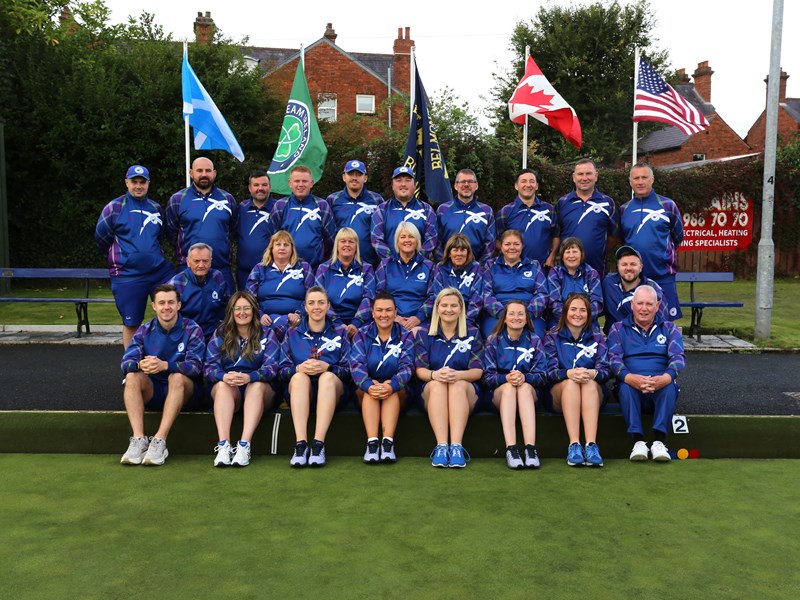
In 2026, he worked closely with the Commonwealth Games team during training camps and preparation events in Belfast and Desborough. He was also part of the management team supporting Scotland at Glasgow 2026 and travelled to the Atlantic International Challenge in Belfast.
Away from competition, Brad attends Performance Pathway Days throughout the year, working with players and coaches to develop the psychological skills required for international bowls.
“My role is to integrate psychology into the performance environment to support both individual performance and team dynamics,” Brad said.
“I also see it as my responsibility to promote player wellbeing within the sporting context and highlight its importance in all aspects of our work.”
Time to think
Bowls is considered a closed-skill sport, meaning the player has time to prepare before each delivery.
That can be an advantage, but it can also provide an opportunity for pressure and unwanted thoughts to build.
“The more time we have, the more opportunity there is for unhelpful thoughts and emotions to appear,” Brad explained.
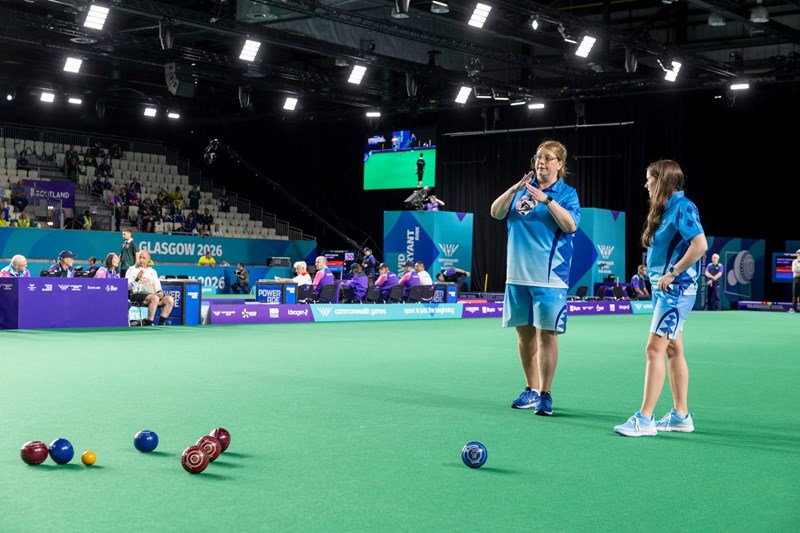
From stepping onto the mat until releasing the bowl, players must remain focused while managing the score, conditions, crowd and expectations placed on them by others and themselves.
They must also accept that a good delivery will not always produce the desired result. Changing green conditions or a fortunate outcome for an opponent can affect the head, regardless of how well a bowl has been delivered.
Being able to reset between bowls and ends is therefore an important part of performing consistently.
Different formats create contrasting demands too. Some matches last several hours and require players to repeatedly refocus, while shorter formats leave very little margin for a lapse in concentration.
Performing alongside nerves
Nerves are not necessarily something a player must eliminate before they can perform well.
“There is no magic solution for getting rid of nerves,” Brad said.
“The first step is recognising that nerves are normal. In many ways, they are a sign that you care about what you are doing. Athletes invest significant time and energy into their sport, so it is natural to feel nervous when a result matters.”
Rather than fighting those feelings, Brad encourages players to acknowledge them and concentrate on what they need to do in the present moment.
Thoughts such as “What if I lose?” or “What if I make a mistake?” can naturally appear under pressure. However, having a thought does not mean it will become a reality.
A consistent pre-shot routine can help return a player’s attention to the task. This could involve focusing on technical cues such as line, weight or target, or concentrating on physical sensations such as the bowl in their hand or their feet on the mat.
Breathing exercises can also help someone regain composure. One example is box breathing, which involves inhaling for four seconds, holding for four, exhaling for four and holding again for four before repeating the process.
These routines give players something immediate and controllable to focus on before their next delivery.
Responding to disappointment
Mistakes, defeats and selection setbacks are an inevitable part of competitive sport.
Within the Scotland team, a structured post-match debrief has become an important part of helping players process results and prepare for what comes next.
Although these discussions examine technical and tactical performance, they also allow players to speak openly about how they are feeling.
“This is particularly important in bowls, where there is often a quick turnaround between matches and players need to avoid carrying disappointment from one game into the next,” Brad said.
“Players regularly debrief with coaches, support staff and one another, which has helped create an environment where reflection and open discussion are seen as normal parts of performance.”
Brad believes discussing disappointment with someone you trust can be healthier than suppressing how you feel. Those conversations may be uncomfortable, but they can help someone process a setback and begin moving forward.
Recognising when further support may be needed
The techniques used in sport psychology can support everyday wellbeing as well as performance. However, it is equally important to recognise when someone may require additional professional support.
Brad regularly helps athletes experiencing performance anxiety, confidence issues, mental blocks and emotional difficulties connected to their sport.
More significant or persistent difficulties, including prolonged low mood, severe anxiety, self-harm or suicidal thoughts, require support from an appropriate mental health professional or specialist service.
A sustained change in someone’s behaviour can also indicate that help may be needed. This might include withdrawing from other people, avoiding situations they would usually engage in or developing unhealthy coping behaviours.
“Mental health exists on a spectrum, and we all have mental health in the same way that we all have physical health,” Brad said.
“Looking after it shouldn’t only happen when things are going wrong. Building healthy habits, staying connected with others and reaching out for support early are all important parts of maintaining good mental wellbeing.”
Creating supportive clubs and teams
Clubs, coaches, captains and teammates can all help create environments where people feel able to discuss challenges.
Brad believes this begins with leadership. When coaches and senior players demonstrate openness and speak honestly about their experiences, it can build trust and encourage others to do the same.
“Small conversations can have a significant impact and often make it easier for someone to seek support when they need it,” he explained.
“Seeking support does not always mean speaking with a psychologist. Sometimes it starts with an honest conversation with a teammate, coach, friend or family member.”
Listening without judgement is particularly important. People are more likely to speak honestly when they feel safe and know their concerns will be taken seriously.
“Sport can be incredibly rewarding, but it can also be demanding. Acknowledging this reality should be seen as a strength rather than a weakness.
“Creating that sense of psychological safety is one of the most important things any team, club or community can do.”
Progress throughout 2026
Brad has seen encouraging development in the Scotland players’ approach to psychology throughout the season.
Players have become more reflective, increasingly open to feedback and more intentional in the way they prepare. There is also a greater appreciation of routines, habits and self-care as important parts of performance.
“Psychology is an important part of performance, just like technical, tactical and physical preparation,” Brad said.
“Performance psychology is ultimately about helping people perform at their best, but it can also help people develop greater self-awareness, resilience and wellbeing away from the green.
“Seeing those benefits emerge across the group has been particularly rewarding.”
Mental health support
If you need urgent mental health support in Scotland, phone NHS 24 on 111 and choose the mental health option. In an emergency, phone 999.
Samaritans can be contacted free at any time by calling 116 123.